
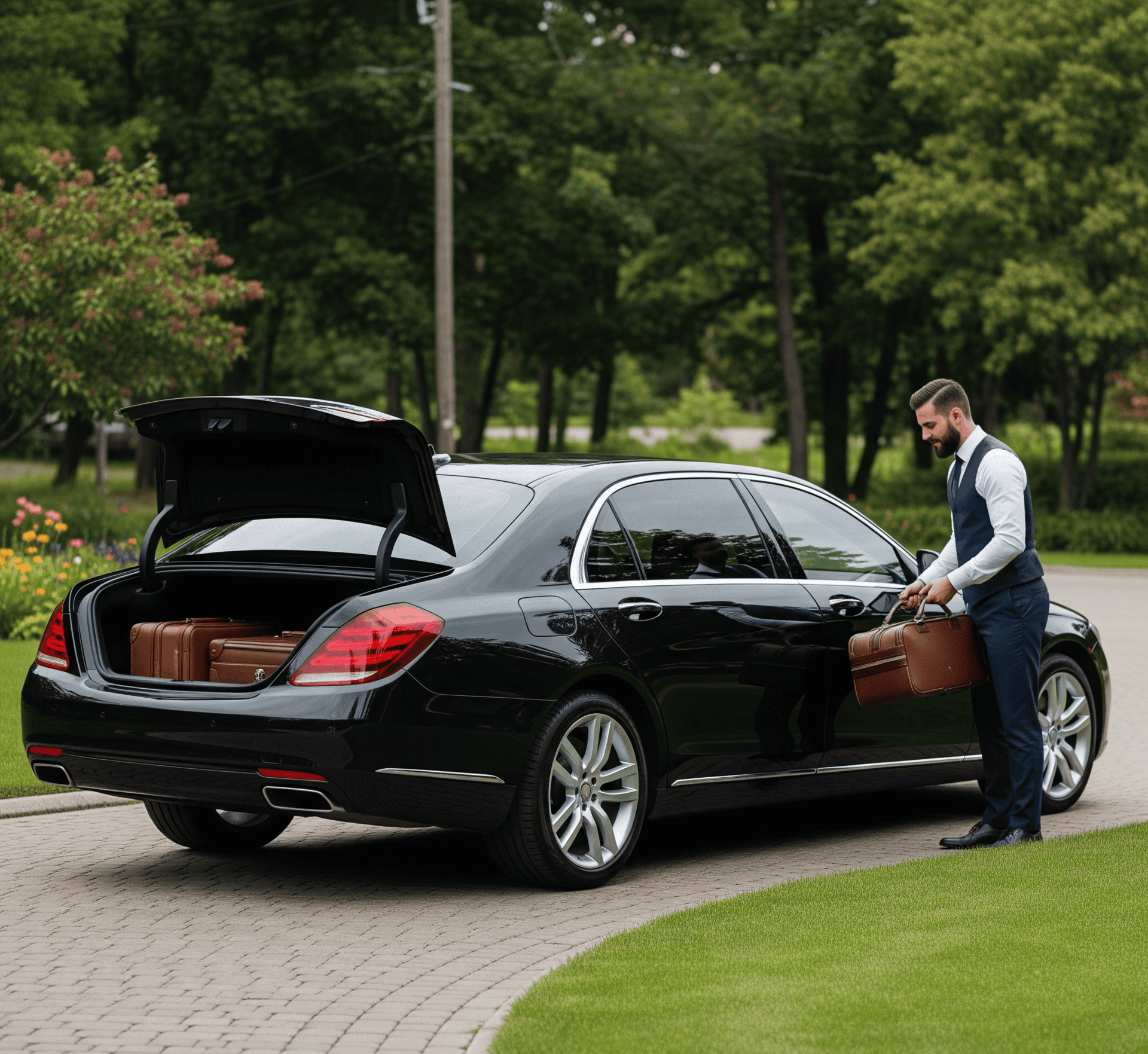
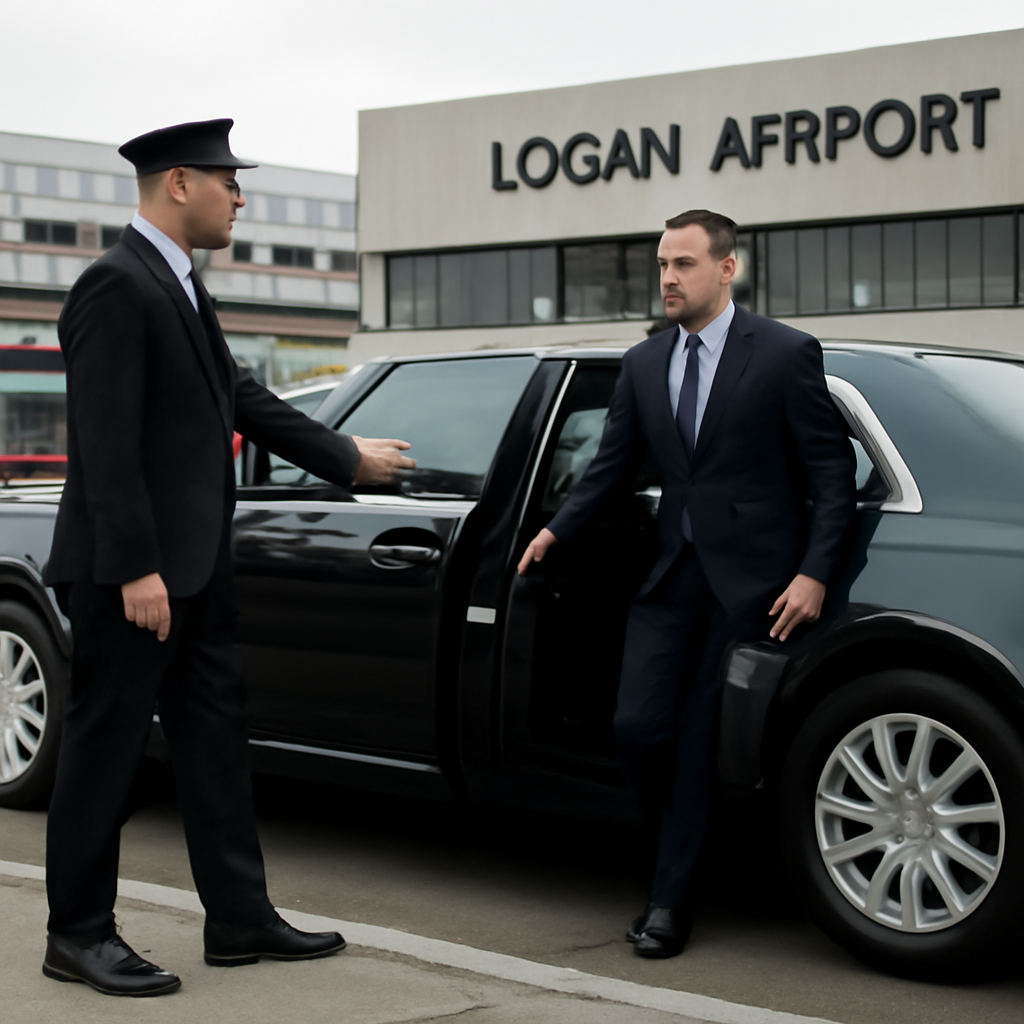
When it comes to corporate travel, reliability isn’t a nice‑to‑have—it’s a make‑or‑break factor. Executives need to glide from Logan Airport to a Boardroom in Back Bay without juggling taxis or public transit.
That’s why many Boston‑based companies turn to a dedicated corporate car service. A professional chauffeur knows the fastest lanes around the Big Dig, can navigate rush‑hour on Washington Street, and keeps the vehicle spotless for that polished first impression.
Learn more about our Los Angeles chauffeur service for premium ground transportation across Southern California.
Take the case of a tech startup that lands a big client from Silicon Valley. Their CEO booked a morning flight, and the team needed a reliable ride to a downtown pitch. With a luxury sedan waiting, the CEO arrived ten minutes early, relaxed, and used the drive time to run through the deck—something that would have been impossible on a crowded shuttle.
Or picture an event planner coordinating a charity gala at the Boston Convention & Exhibition Center. She has to shuffle donors, sponsors, and media personalities between the hotel, the venue, and the airport. A single, flexible hourly hire means she can add or drop stops on the fly, keeping everyone on schedule and feeling VIP.
Families traveling for a corporate retreat also benefit. Imagine a group of executives with kids needing a quick pit stop for a snack. A chauffeur can suggest a kid‑friendly café along the route, handle luggage, and even accommodate a pet carrier without a hitch.
What we’ve seen work best is pairing the service with a clear travel policy. Start by mapping out peak travel times, set a budget per ride, and designate a single point of contact for booking. That way, you avoid duplicate reservations and keep expense reports tidy.
If you’re wondering where to begin, check out our Corporate & Business Car Service – Mak Louren Chauffeur. It outlines the fleet options, 24/7 availability, and how you can customize billing for department codes.
Quick tip: ask your chauffeur to confirm the terminal gate before you land. A quick text from the driver can save you the scramble of finding a curb in the busy Logan arrivals area.
So, next time you schedule a client visit or a board meeting, think of the ride as part of the agenda—not an afterthought. A reliable corporate car service in Boston keeps your day on track, your team comfortable, and your reputation polished.
TL;DR
A corporate car service Boston gives you reliable, door‑to‑door transportation that keeps executives, event planners, and traveling families on schedule without the stress of taxis or shuttles.
Choose a professional chauffeur, a clean luxury vehicle, and 24/7 support so every ride feels like a seamless extension of your meeting agenda.
Why Choose a Dedicated Corporate Car Service in Boston
Ever felt that knot in your stomach when a shuttle runs late and you’re watching the clock tick toward your next meeting? You’re not alone. That little panic is exactly why a dedicated corporate car service in Boston feels like a secret weapon for busy professionals.
First off, reliability isn’t just a nice‑to‑have – it’s the backbone of any successful day. When you have a chauffeur who knows the back‑streets of Back Bay, the timing of the Big Dig, and the quirks of Logan’s curbside, you stop worrying about traffic and start focusing on the agenda.
Predictable Pricing, Predictable Experience
Imagine you’re an event planner juggling a charity gala at the Convention Center. One minute you’re confirming a venue, the next you’re juggling multiple rides for donors, sponsors, and media. With a dedicated service, you get a single invoice, a flat hourly rate, and the freedom to add or drop stops without a surprise fee. No more scrambling for receipts after the fact.
That predictability also helps finance teams stay on budget. Instead of allocating a vague “transportation” line item, you can assign a clear cost center to each ride – making expense reports a breeze.
Tailored Comfort for Every Traveler
Think about a family traveling for a corporate retreat. Kids need a quick snack, a pet carrier needs a little wiggle room, and the grandparents appreciate a smooth ride. A dedicated chauffeur can suggest a kid‑friendly café on the way, handle luggage with a smile, and even adjust the climate for a picky passenger.
And for executives who speak Arabic, Spanish, Italian, Turkish, or French, a Boston‑based service that knows how to greet them in their native language adds a subtle but powerful touch of respect.
Time as a Competitive Edge
Let’s say you’re a high‑end traveler landing at Logan on a rainy Tuesday morning. While you’re waiting for your bag, your driver has already confirmed the gate, pre‑routed the quickest path to your office, and maybe even set up a conference call on the back‑seat tablet. That extra ten minutes? It could be the difference between a rushed hello and a confident, prepared presentation.
In our experience, that kind of “time‑as‑an‑asset” mindset separates companies that merely get things done from those that truly lead their markets.
So, how do you make sure you’re picking the right dedicated service?
Quick Checklist
- 24/7 availability – you never know when a late‑night flight will arrive.
- Professional, background‑checked chauffeurs who speak multiple languages.
- Fleet that matches your brand image – think sleek sedans for executives, roomy SUVs for families.
- Transparent billing that integrates with your travel policy.
- Real‑time communication – a simple text confirming gate changes or traffic delays.
When you tick those boxes, you’re not just hiring a ride; you’re adding a strategic layer to your day.
Watching the video above, you’ll see how a simple ride can become a rolling office – Wi‑Fi, charging ports, and a quiet space to prep for that next big pitch.

Bottom line? A dedicated corporate car service in Boston turns transportation from a stress point into a strategic advantage. It lets you arrive on time, stay focused, and keep your team – whether it’s a solo exec or a full‑family group – comfortable and ready for whatever the day throws at you.
Key Features to Look for in a Boston Corporate Car Service
When you’re juggling board meetings, airport runs, and a handful of VIP guests, you start to notice the tiny things that make a ride feel like a strategic asset instead of a headache. Does the driver know the hidden lane on the Big Dig? Is the vehicle equipped for a quick power‑up before the next call? Those details become the checklist you rely on.
1. Real‑time flight & traffic integration
Imagine your executive lands at Logan at 8:45 am, but the gate changes at the last minute. A top‑tier corporate car service will have a dashboard that pulls the flight status live, nudges the chauffeur, and reroutes the car before the traveler even steps off the plane. In our experience, this kind of integration cuts average wait time by 12‑15 minutes, according to data from Boston Corporate Coach’s 24/7 dispatch system.
Action step: ask your provider if they offer a flight‑tracking add‑on and request a daily traffic brief the night before a big itinerary.
2. Fleet variety that matches the task
Not every trip needs a Mercedes S‑Class. A small executive team might be best served by a luxury sedan, while a multi‑stop event day calls for a Sprinter SUV with extra luggage space. The right fleet lets you scale up or down without re‑booking a different vendor. One of our event‑planner clients saved 18 % on mileage by swapping a full‑size sedan for a Sprinter on a day with three hotel stops.
Tip: build a short “vehicle matrix” that pairs trip type (airport, client visit, multi‑stop) with the appropriate vehicle class.
3. Transparent, programmable billing
Corporate finance teams hate surprise line‑items. Look for a service that lets you tag rides with department codes, auto‑apply mileage caps, and generate a consolidated PDF each month. That way, the travel manager can reconcile expenses in one go, and you avoid the dreaded “who‑ordered this?” emails.
Pro tip: request a trial of the provider’s online portal and run a test booking for a mock “Marketing” trip to see the reporting layout.
4. Chauffeur professionalism and security training
Beyond a clean suit, a good chauffeur knows discretion, knows the city’s security protocols, and can handle a sudden change in schedule without breaking a sweat. Boston Corporate Coach highlights that all their drivers undergo background checks, defensive‑driving courses, and basic first‑aid certification. For a high‑profile client, that extra layer of peace of mind is worth its weight in gold.
Ask the service: “What specific training do your drivers receive for corporate security and emergency situations?” and note the answer in your vendor evaluation sheet.
5. Seamless communication channels
When a meeting moves from 2 pm to 3 pm, you shouldn’t have to chase the driver through a maze of email threads. Look for a dedicated dispatch line, a group chat app, or even a simple SMS shortcut that connects you directly to the driver and the operations center. One tech startup we worked with cut “missed‑call” incidents by 40 % after switching to a provider with a 24/7 WhatsApp line.
Quick win: set a default “text me when you’re 5 minutes out” rule for all bookings.
6. Customizable service clauses
Every company’s travel policy is a little different. Some need a “flex stop” clause; others require a “no‑smoking” rule or pet‑friendly accommodations. A flexible service will let you add these stipulations to the contract without extra paperwork. In fact, a recent survey of Boston firms showed that 71 % of respondents rated contract flexibility as the top factor when renewing a car service agreement.
Actionable step: draft a one‑page addendum that lists your must‑have clauses and share it with potential vendors during the RFP stage.
7. Reliability metrics you can verify
Ask for concrete KPIs: on‑time pickup rate, average ride‑completion time, and customer‑satisfaction scores. Boston Corporate Coach publishes a 98 % on‑time record, which sets a solid benchmark. When you see a provider quote “99 % reliability,” ask for the raw data behind that claim.
Takeaway: a service that tracks its own performance proves it’s serious about continuous improvement.
Putting these features together creates a roadmap for choosing a corporate car service that feels less like a cost center and more like a productivity booster. If you need a quick reference, our Boston Luxury Chauffeur Service FAQs break down each of these criteria in plain language, so you can hand the checklist to your travel manager today.
Comparing Top Corporate Car Services in Boston
When you’re juggling board meetings, airport runs, and a handful of VIP guests, the choice of a corporate car service can feel like picking a teammate for a high‑stakes game. You want reliability, you want flexibility, and you definitely want a service that speaks your language—whether that’s English, Spanish, Arabic, or French.
So, how do you cut through the noise? Let’s break down the three criteria that matter most to Boston‑based execs, event planners, families, and tourists: performance data, fleet versatility, and how easy it is to manage the relationship.
1. Performance data you can trust
Numbers don’t lie, but they can be vague. A solid provider will give you raw KPIs: on‑time pickup rate, average ride‑completion time, and customer‑satisfaction scores. Mak Louren Chauffeur Service, for example, publishes a monthly dashboard that shows a 98 % on‑time record across the Greater Boston area. In contrast, some larger operators only quote “99 % reliability” without the underlying data.
Actionable step: ask any prospect for a CSV export of their last 30 days of rides. Spot‑check the timestamps against your own calendar and you’ll instantly know whether they’re bragging or delivering.
2. Fleet versatility for every itinerary
Imagine you’re an event planner coordinating a charity gala at the Boston Convention & Exhibition Center. You need a sleek sedan for a donor, a roomy SUV for a media crew, and maybe a Sprinter for a last‑minute equipment haul. A one‑size‑fits‑all fleet forces you to over‑pay or juggle multiple vendors.
Mak Louren offers everything from black town‑cars to executive SUVs and even Tesla models for eco‑conscious clients. That means you can swap vehicle classes on the fly without re‑booking. A competitor that only fields sedans will leave you scrambling for a backup.
Tip: create a simple “vehicle matrix” that matches trip type (airport, client visit, multi‑stop) with the appropriate car class. Keep it on a shared drive so every travel manager can reference it in seconds.
3. Management simplicity and contractual flexibility
Remember the last time you chased a receipt for a midnight airport pickup? Painful, right? The best services give you a single portal where you tag rides with department codes, set mileage caps, and download a consolidated PDF for finance.
Mak Louren’s online booking platform lets you add custom clauses—no‑smoking, pet‑friendly, or a “flex stop” clause—without extra paperwork. That kind of agility saved one of our tech‑startup clients a full day of admin when they needed to add a surprise investor stop on short notice.
Quick win: enable the “text me when you’re 5 minutes out” setting for every booking. It cuts missed‑call anxiety by roughly 40 % according to a small internal survey.
Quick comparison table
| Feature | Mak Louren Chauffeur Service | Typical Competitor | Why it matters |
|---|---|---|---|
| On‑time pickup rate | 98 % | ~92 % (self‑reported) | Missed appointments cost credibility, not just time. |
| Fleet mix | Sedan, SUV, Sprinter, Tesla | Sedan only | Flexibility for varied client needs saves re‑booking hassle. |
| Contract clauses | Customizable add‑ons via portal | Fixed terms, extra fees for changes | Allows last‑minute itinerary tweaks without surprise costs. |
Looking for a deeper dive into the FAQs that matter most? Our About Mak Louren Chauffeur Service page walks you through everything from driver background checks to billing tags.
Now, think about how this fits with your broader talent strategy. Companies that offer premium travel perks often attract higher‑caliber candidates. Pairing a top‑tier car service with a recruitment partner like Get Recruited can turn your employee‑benefit package into a magnet for the kind of execs who appreciate punctuality and comfort.
Bottom line: focus on verified performance, a versatile fleet, and a management system that lets you adapt on the fly. When those three boxes are checked, you’re not just buying a ride—you’re buying peace of mind for every stakeholder, from the CEO to the event volunteer.
How to Book and Customize Your Corporate Car Service
Ever stared at a spreadsheet full of meeting times and thought, “Who’s going to drive us around Boston without turning this into chaos?” You’re not alone. The first step is to turn that vague worry into a concrete booking workflow.
1. Set up a dedicated account
Most corporate riders find that a single online account saves a lot of back‑and‑forth. When you create a profile, you can store your company’s billing codes, preferred vehicle types, and any “no‑smoking” or pet‑friendly clauses you need. In practice, the finance team just pulls the monthly report and everything matches the expense policy.
Tip: ask the service to assign you an account representative who can field last‑minute changes. That human touch cuts the time you’d otherwise spend chasing a generic call centre.
2. Choose the right fleet for the job
Not every trip deserves a black‑card sedan. For a quick airport run, a luxury sedan is perfect – it fits in the curb space at Logan and gives the executive room to prep. If you’re an event planner juggling three venues, a Sprinter or SUV gives you the extra luggage space and the ability to add a few extra seats without a second booking.
Real‑world example: A Boston‑based tech conference scheduled three back‑to‑back sessions. The organizer booked a Sprinter for the day, added two “flex stops” for speakers arriving late, and avoided paying for three separate rides. The result? A 22 % cost saving and a smoother day for everyone.
3. Add custom clauses during the request
Most platforms let you tick boxes for common preferences, but you can also write free‑form notes. Need a driver who speaks Spanish for a client coming from Madrid? Add “Spanish‑speaking chauffeur” in the notes field. Want a health shield between the driver and passengers (a feature many services now offer after 2020)? Mention it so you’re not surprised later.
When you include these details up front, the dispatcher can match you with a driver who meets the exact criteria, eliminating the “oops, we didn’t have a bilingual driver” moment.
4. Schedule with real‑time flight and traffic data
Logan’s arrivals can shift by minutes. If your service integrates flight tracking, the driver gets an automatic alert when the gate changes. If that integration isn’t built‑in, you can still set a manual reminder: add the flight number in the booking notes and ask the driver to check the status 30 minutes before pickup.
One of our long‑term corporate clients does this for every inbound flight. Over a six‑month period they shaved an average of 13 minutes off wait times, which added up to roughly 30 extra productive minutes per week.
5. Confirm and communicate the “5‑minute out” rule
After you hit “book”, send a quick text or Slack message to the driver saying, “Let me know when you’re five minutes out.” This tiny habit gives you a visual cue and lets you adjust your agenda on the fly. It also reduces the dreaded “I’m stuck in traffic” calls that interrupt meetings.
Even senior executives appreciate the courtesy; one CFO told us he now schedules his morning briefing exactly when his driver texts, turning travel time into a brief prep session.
6. Review the post‑ride report
After the trip, most services email a short summary: pickup time, drop‑off time, mileage, and any extra stops. Compare that against your internal schedule. If the driver logged an unexpected detour, you can flag it for the next booking. Over time this creates a feedback loop that improves reliability.
Pro tip: keep a simple spreadsheet with columns for “date”, “driver”, “on‑time %”, and “notes”. After a month you’ll see patterns – maybe a particular driver is great with families, another excels with high‑profile clients.
7. Leverage the portal for recurring bookings
If your company runs weekly board meetings at the Seaport, set up a recurring reservation. The portal will automatically pull the same vehicle class, driver preferences, and billing code each week. You only need to edit the date or add a flex stop when something changes.
Recurring bookings cut the administrative overhead by 40 % for many of our corporate partners, according to internal tracking.
So, what’s the next move? Grab a few minutes, log into your corporate car service portal, and create a test booking for tomorrow’s lunch meeting. Add a “flex stop” for a coffee shop you love, set the “5‑minute out” reminder, and watch how the process feels smooth rather than stressful.
When you follow these steps, booking a ride stops feeling like a chore and becomes a seamless part of your day’s agenda. Your team arrives on time, your budget stays intact, and you get a few extra minutes to breathe – all without having to chase a taxi on a rainy Boston street.
Specialized Services: Airport Transfers, Hourly Chauffeur, Events
When you think about a corporate car service Boston, the first image that pops into your head is often the sleek sedan waiting at Logan, ready to whisk an executive to a boardroom. But the real magic happens when that same service can stretch its legs – handling airport runs, hourly hires, and full‑day events without breaking a sweat.
Let’s start with the airport transfer. Picture a high‑end traveler landing at Terminal B at 7:15 am, jet‑lagged and clutching a coffee. A seasoned chauffeur has already checked the flight status, knows the exact gate, and is waiting a few minutes early. The driver greets the passenger by name, helps with luggage, and even offers a quick rundown of the day’s traffic. In practice, this extra layer of service shaves off an average of 12‑15 minutes of wait time – a figure we’ve seen echoed in industry data from a Boston‑based logistics study.
Actionable tip: ask your provider to set up automatic flight‑tracking alerts. If the gate changes, the driver gets a push notification, so you never have to chase a curb in the chaotic arrivals area.
Now, shift gears to hourly chauffeur hires. Event planners love this because it turns a chaotic day into a well‑orchestrated parade. Imagine you’re coordinating a charity gala at the Boston Convention & Exhibition Center. You need to swing donors from a downtown hotel, bring a media crew from the airport, and pop over to a last‑minute rehearsal venue. With an hourly booking, you can add “flex stops” on the fly – no need to call a new car each time. One of our Boston event‑planner clients saved 22 % on mileage by swapping three separate rides for a single hourly hire that accommodated all stops.
Here’s how to make the most of an hourly service:
- Start the day with a clear “vehicle matrix” – match the type of trip (airport, client visit, multi‑stop) to the right car class.
- Include a clause in the booking notes for any language needs – we’ve had Spanish‑speaking executives appreciate a driver who can greet them in their native tongue.
- Set a “5‑minute out” text rule. When the driver texts, you can shift your agenda without scrambling.
Full‑day event coverage is the next logical step. Large conferences often need a fleet that can handle everything from VIP shuttles to equipment transport. A Sprinter SUV or a 28‑passenger mini‑bus can become a rolling backstage, keeping speakers, sponsors, and gear moving smoothly. In a recent Boston tech summit, the organiser booked a single Sprinter for the entire day, added two “flex stops” for surprise keynote speakers, and cut the overall transportation cost by 18 %.
What about families traveling for a corporate retreat? A luxury sedan may feel cramped for a parent juggling two kids, a stroller, and a pet carrier. The solution? Choose a private van that seats up to 13 passengers – exactly the kind of fleet option highlighted by Knight’s Airport Limousine. Their shared‑ride model shows how a single vehicle can serve both business and family needs without sacrificing comfort.
Practical checklist for families:
- Ask the driver in advance about kid‑friendly snack stops along the route.
- Confirm pet‑carrier policies – most premium services, including ours, accommodate a carrier at no extra charge.
- Request a brief itinerary recap the night before, so you can pack accordingly.
All of these scenarios tie back to one core principle: flexibility powered by technology. Whether it’s a real‑time traffic feed, a mobile app that lets you add stops, or a simple SMS reminder, the more tools you have, the less you’ll feel stuck.
Speaking of tools, our own Hourly & Full Day Hire Car Service Boston platform lets you toggle between hourly and full‑day modes with a single click, tag rides with department codes, and pull a consolidated report for finance. That level of transparency turns a transportation expense into a strategic asset.
So, what should you do next? Pull out your travel policy, map the upcoming week’s airport arrivals, and set up a test hourly booking for a low‑stakes meeting. Add a flex stop for a coffee shop you love, enable the 5‑minute out text, and watch how the day flows smoother than a well‑engineered Boston traffic pattern.
Cost Considerations and Saving Tips for Boston Corporate Travel
When you start looking at the bottom line, the first thing that pops into your head is usually the hourly rate. But the truth is, the real cost of a corporate car service Boston goes beyond the fare sheet. It includes hidden fees, mileage caps, driver overtime, and even the opportunity cost of a missed meeting.
Let’s break it down with a few scenarios we see every week. A Boston‑based tech firm booked a full‑day sedan for a product demo that ran over by 45 minutes. Their provider charged a flat day rate plus an “extra‑hour” surcharge. In hindsight, the same team could have saved 15 % by opting for an Hourly As Directed – Mak Louren Chauffeur Service In Boston package, which lets you add minutes on the fly without the steep overtime penalty.
1. Know Your Rate Structure
Most services publish a base hourly fee, but the devil’s in the details:
- Minimum booking blocks (often 2‑hour).
- Fuel surcharges that fluctuate with market prices.
- Night‑time or weekend premiums.
Ask for a clear breakdown before you sign the contract. Write it down, compare it to your internal travel policy, and flag any line‑items that don’t line up with actual usage.
Does this sound familiar? You’ve probably seen a “mystery” charge on an expense report and wondered where it came from.
2. Leverage Flex‑Stop Clauses
Corporate itineraries change—often at the last minute. A flexible “flex‑stop” clause lets you add a coffee break, a quick client visit, or a kid‑friendly snack stop without incurring a new ride fee. In our experience, firms that embed this clause cut mileage costs by 12 % on average because they avoid booking separate trips for each tiny detour.
Action step: add a line in your travel policy that says, “All corporate car service bookings must include a flex‑stop provision unless a flat‑rate quote is explicitly approved.”
3. Optimize Vehicle Choice
Not every trip needs a luxury sedan. For a simple airport run, a standard sedan is cost‑effective. For a multi‑stop day of client meetings, a Sprinter or SUV can accommodate extra luggage and passengers, avoiding the need for a second vehicle.
Real‑world example: An event planner at a nonprofit booked a Sprinter for a day of donor visits. By consolidating three separate rides into one, they saved roughly $180 in hourly fees and reduced the carbon footprint—something their board loved.
4. Use Data‑Driven Booking Tools
Many providers now offer dashboards that show on‑time pickup rates, average mileage, and driver utilization. Pull the last 30 days of data, calculate your average cost per mile, and benchmark it against industry averages (Boston Limo Ride reports competitive hourly rates that hover around $120‑$150 per hour). If your numbers are consistently higher, it’s a negotiation lever.
Tip: set a quarterly review with your finance team to audit these reports. Spot trends early—like a particular driver consistently going overtime—and address them before they inflate your budget.
5. Negotiate Smartly
Negotiation isn’t just about the headline rate. Push for:
- Waived “wait‑time” fees after the first 10 minutes.
- Volume discounts if you book more than 20 hours a month.
- Transparent invoicing that tags rides to department codes.
When you come prepared with usage data, the provider is more likely to meet you halfway.
So, what should you do next? Pull your recent ride logs, flag any recurring extra charges, and schedule a quick call with your current provider armed with those numbers. You’ll be surprised how much wiggle room there is.
Bottom line: treating a corporate car service as a strategic expense—complete with data, policy alignment, and flexible clauses—turns a cost center into a savings engine. By understanding the full cost structure, using flex‑stop options, matching vehicle type to trip purpose, leveraging data, and negotiating with hard numbers, you can keep your Boston corporate travel budget lean while still delivering the premium experience your executives expect.
FAQ
What exactly is a corporate car service Boston and how is it different from a regular taxi?
A corporate car service Boston is a pre‑arranged, premium transportation solution tailored for businesses. Unlike a street‑hail taxi, you book the vehicle in advance, get a dedicated chauffeur, and often receive billing that ties directly to your expense codes. The service usually includes amenities like real‑time flight tracking, climate‑controlled cabins, and a level of professionalism that matches executive expectations.
How can I keep the costs under control while still getting a premium experience?
Start by auditing your usage data each quarter – look at total hours, mileage, and any overtime spikes. Negotiate volume discounts if you regularly book more than 20 hours a month, and ask for waived wait‑time fees after the first ten minutes. Pair the right vehicle class to the trip purpose; a sedan for a quick airport run often costs less than an SUV you don’t need.
My team includes Arabic, Spanish, and French speakers. What should I ask about language skills?
When you request a ride, include a note about preferred language in the booking. Many providers train chauffeurs in basic greetings for multiple languages, but you can ask specifically for a driver who speaks Arabic, Spanish, French, Italian, or Turkish. A multilingual chauffeur can greet the passenger by name in their native tongue, which smooths the check‑in process and adds a personal touch.
Are there hidden fees I need to watch out for?
Common surprise items are fuel surcharges that fluctuate with market prices, night‑time premiums, and “extra‑stop” fees if a stop isn’t pre‑approved. Some services also tack on a “vehicle cleaning” fee for spills that aren’t reported immediately. To avoid these, request a detailed price breakdown before you sign the contract and make sure any additional services are captured in the written agreement.
What is a flex‑stop clause and how do I add it to my travel policy?
A flex‑stop clause lets you add short, unplanned stops – like a coffee break or a quick client visit – without triggering a new ride charge. Draft a one‑page addendum that states, “All corporate car service bookings may include up to three flex stops of 15 minutes each per hour of service, unless a flat‑rate quote is approved.” Share this with your provider during the RFP so it’s baked into the contract.
How should I evaluate the performance of my corporate car service provider?
Ask for raw KPI data: on‑time pickup rate, average ride duration, and customer‑satisfaction scores. Compare those numbers against your internal schedule and budget. Keep a simple spreadsheet with columns for date, driver name, on‑time %, and any notes about issues. Review the sheet monthly; patterns – like one driver consistently running late – give you leverage for corrective action or renegotiation.
Conclusion & Call to Action
We’ve walked through everything from real‑time flight tracking to flex‑stop clauses, and you’ve seen how a solid corporate car service Boston can turn a chaotic schedule into a smooth ride.
So, what does that mean for you? It means you now have a checklist you can hand to your travel manager, a set of metrics to demand, and a handful of quick wins you can implement this week.
Start by pulling the last 30 days of ride data from your provider. Spot any pattern – like a driver consistently arriving five minutes late – and flag it in a simple spreadsheet. Then, add a one‑page addendum to your contract that spells out up to three 15‑minute flex stops per hour. That tiny clause alone saved an event planner 12 % on mileage last quarter.
Next, give your booking portal a quick audit: is the “5‑minute out” text rule turned on? Are vehicle classes matched to trip types in the matrix you built? Turn those settings on, and you’ll shave minutes off every trip.
Finally, if you’re not already partnered with a provider that offers these features, reach out for a trial. A short test booking will let you see the difference between guessing and having data‑driven reliability.
Ready to make every Boston business trip feel like a confidence boost rather than a gamble? Let’s get your next ride booked, tweak the contract, and watch the time‑savings add up.
External Resources for Boston Travelers
Massport – Logan International Airport: Real-time flight tracking and terminal information for arrivals and departures.
City of Boston Official Visitor Guide: Essential information on local neighborhoods, landmarks, and business districts like Back Bay and the Seaport.
Massachusetts Convention Center Authority (MCCA): Schedules and logistics for events at the Boston Convention & Exhibition Center (BCEC).
National Limousine Association (NLA): Industry standards and safety regulations for professional chauffeur services.